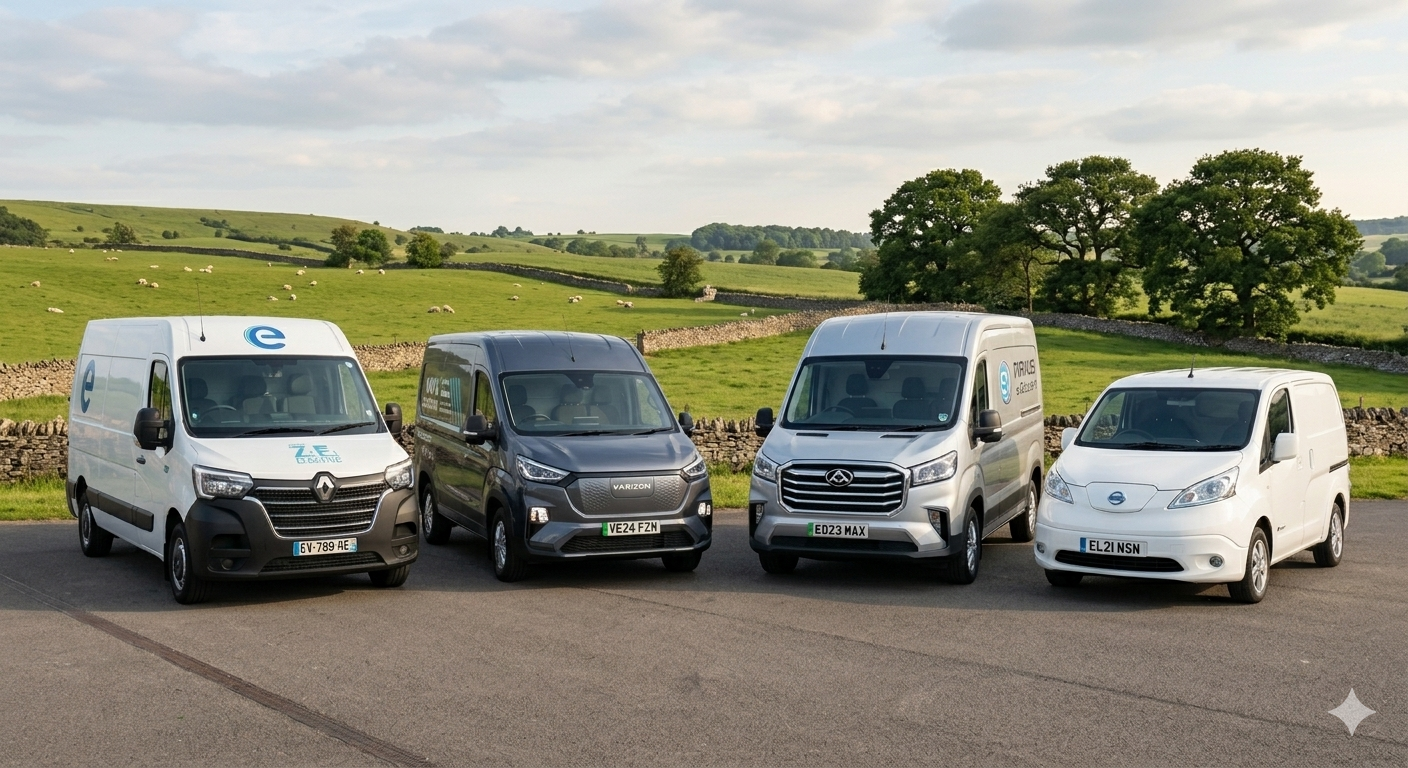
Base Electric Vehicle
Finding the right van: We’ll guide you through picking an electric vehicle that fits your specific plans.
The essentials: We consider your budget, range requirements, payload capacity, and driving comfort.
A solid start: Choosing the correct vehicle is key to the ultimate joy you'll get from your campervan.
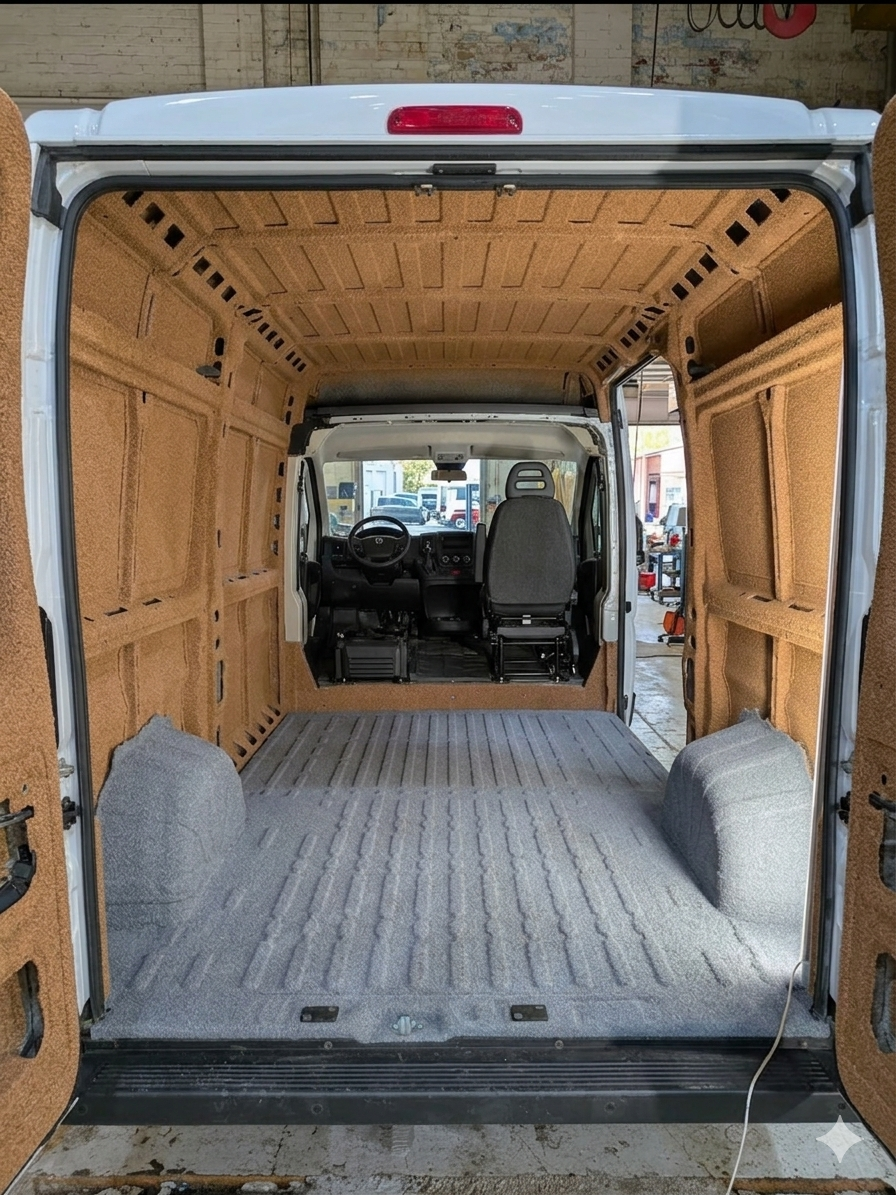
Thermal Efficiency: Offers excellent natural insulation with low thermal conductivity, keeping the interior warm in winter and cool in summer.
Moisture Resistance: Naturally waterproof and rot-resistant, making it ideal for the high-humidity environments typical of van living.
Structural Integrity: A high-density material that is dimensionally stable, meaning it won't settle or sag over time within wall cavities.
Fire Safety: Naturally fire-retardant; it does not easily ignite and does not release toxic gases if exposed to high heat.
Sound Dampening: Acts as a powerful acoustic barrier that minimizes vibration, reduces external road noise, and eliminates the "tinny" sound of metal panels.
Eco-Friendly: A renewable, bio-based resource harvested from the bark of cork oak trees, making it carbon-negative and fully biodegradable.
Health & Safety: Hypoallergenic and free from synthetic binders or off-gassing, ensuring high indoor air quality in a confined space.
Vibration Control: Its unique cellular structure absorbs mechanical energy, effectively decoupled the interior build from the van's chassis to stop rattles at the source.
Lightweight Durability: Despite its density, cork is incredibly light, helping to keep the vehicle's gross weight down while remaining tough enough to use as a finished surface or subfloor.
2. Insulation. Part 1 - Cork
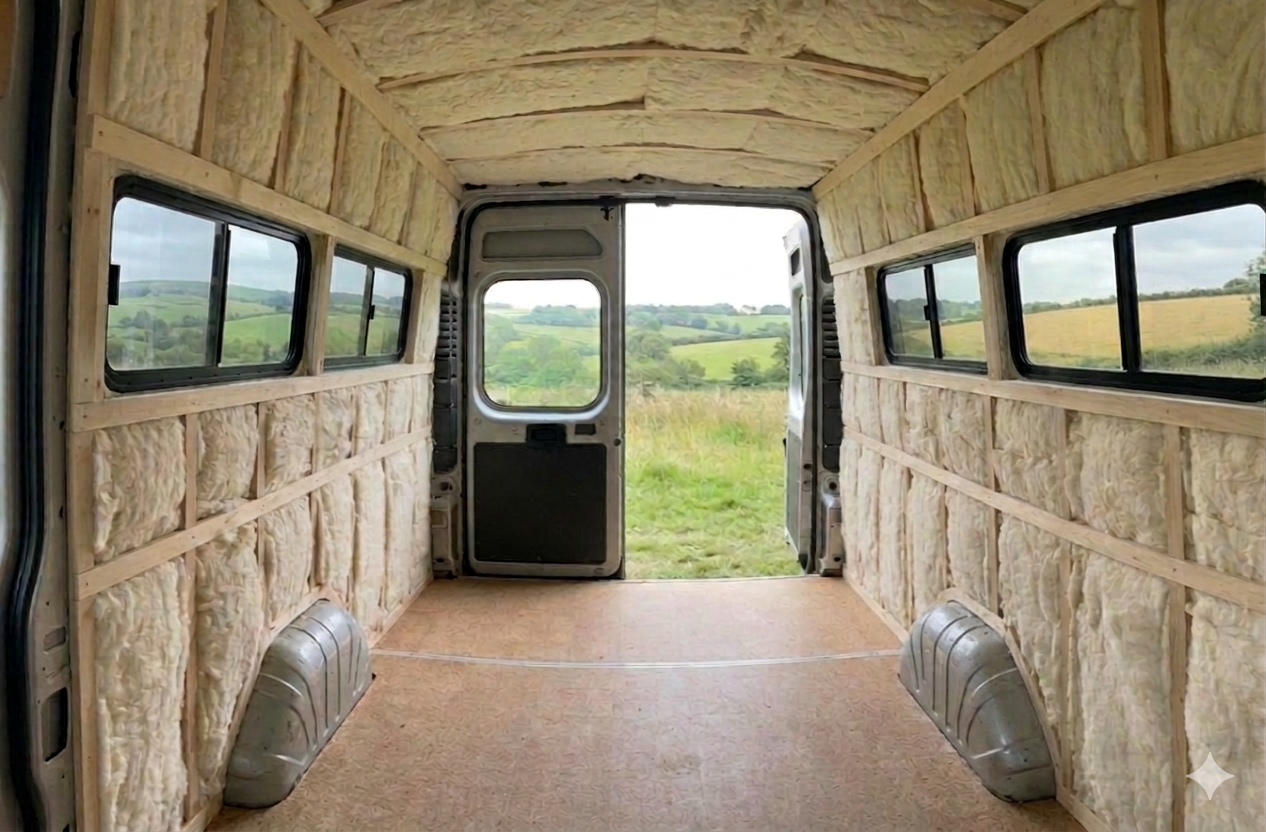
3. Insulation. Part 2 - Wool
Temperature Regulation: Provides high-performance thermal protection in both extreme heat and freezing cold, maintaining a stable interior climate.
Moisture Control: Naturally absorbs and releases up to 33% of its weight in moisture, preventing condensation and protecting the van's metal body from rust without needing a vapor barrier.
Air Purification: The keratin in the wool permanently absorbs and neutralizes harmful chemicals (like formaldehyde) from other build materials, ensuring a healthy living space.
Sound Dampening: Excellent acoustic insulation that significantly reduces road noise and the sound of rain on the metal roof.
Safety & Health: Naturally fire-retardant and mould-resistant; it is safe to handle during installation without protective gear or skin irritation.
Sustainability: A 100% renewable, biodegradable, and low-carbon material that is environmentally friendly from production to disposal.
Bamboo is one of the fastest-growing renewable materials in the world, reaching maturity far quicker than traditional hardwood timber
Naturally regenerative, bamboo can continue growing from the same root system after harvesting, reducing the need for replanting
Bamboo cultivation generally requires less pesticide, fertiliser and chemical treatment than many commercial timber crops
Its dense root structure helps protect soil health and reduce erosion
Bamboo absorbs significant amounts of carbon dioxide during growth, helping lower environmental impact
Lightweight bamboo construction helps reduce overall vehicle weight, improving efficiency and lowering energy consumption
Tambour bamboo uses thin flexible slats, allowing beautiful curved interiors while using less material than solid timber panels
Helps reduce demand for slow-growing and old-growth hardwood forests
Durable, long-lasting and naturally attractive, reducing the need for synthetic finishes and plastic laminates
Creates a warm, calm and tactile interior inspired by natural materials and traditional craftsmanship
4. Wall finish - Tambour Bamboo
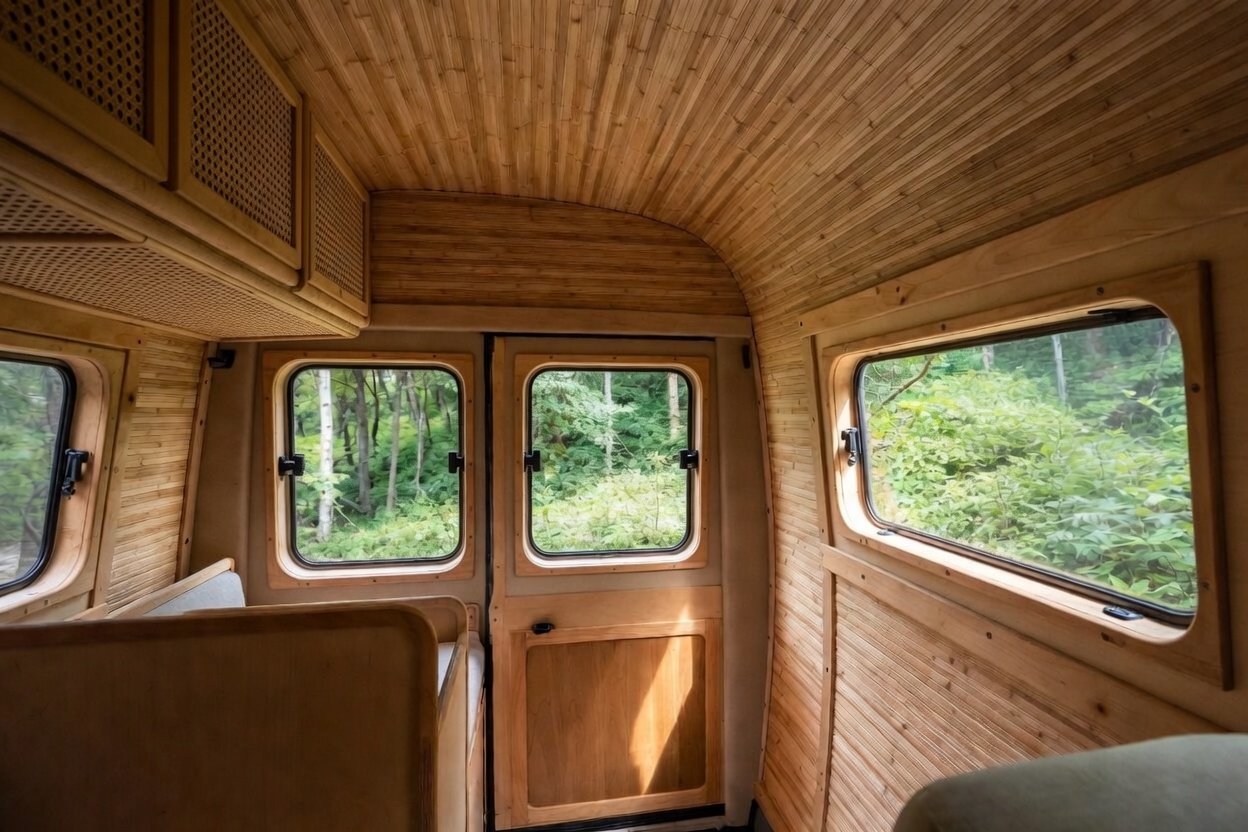
5. Cedar wood cupboards, Rattan fronted
Made from renewable natural materials that store carbon throughout their life and have a lower environmental impact than many synthetic alternatives.
Locally sourced timber reduces transport emissions compared with imported woods and manufactured furniture boards.
Lightweight construction helps reduce vehicle weight, improving fuel efficiency and extending the range of electric campervans.
Excellent strength-to-weight ratio provides durable storage without the weight penalty of many conventional cupboard materials.
Uses less raw material than solid-panel designs while maintaining strength and functionality.
Naturally ventilated doors encourage airflow, helping to reduce condensation and moisture build-up inside the van.
Low-energy manufacturing requires less processing than metal, plastic, or heavily engineered composite furniture.
Naturally durable and long-lasting, reducing the need for replacement and conserving resources over time.
Repairable and easy to refurbish, extending service life and reducing waste.
Low embodied carbon compared with aluminium, steel, plastics, and many composite board products.
Contains fewer synthetic materials and chemical additives, contributing to a healthier interior environment.
Can be reused, recycled, or biodegraded at the end of its life, supporting a more circular approach to material use.
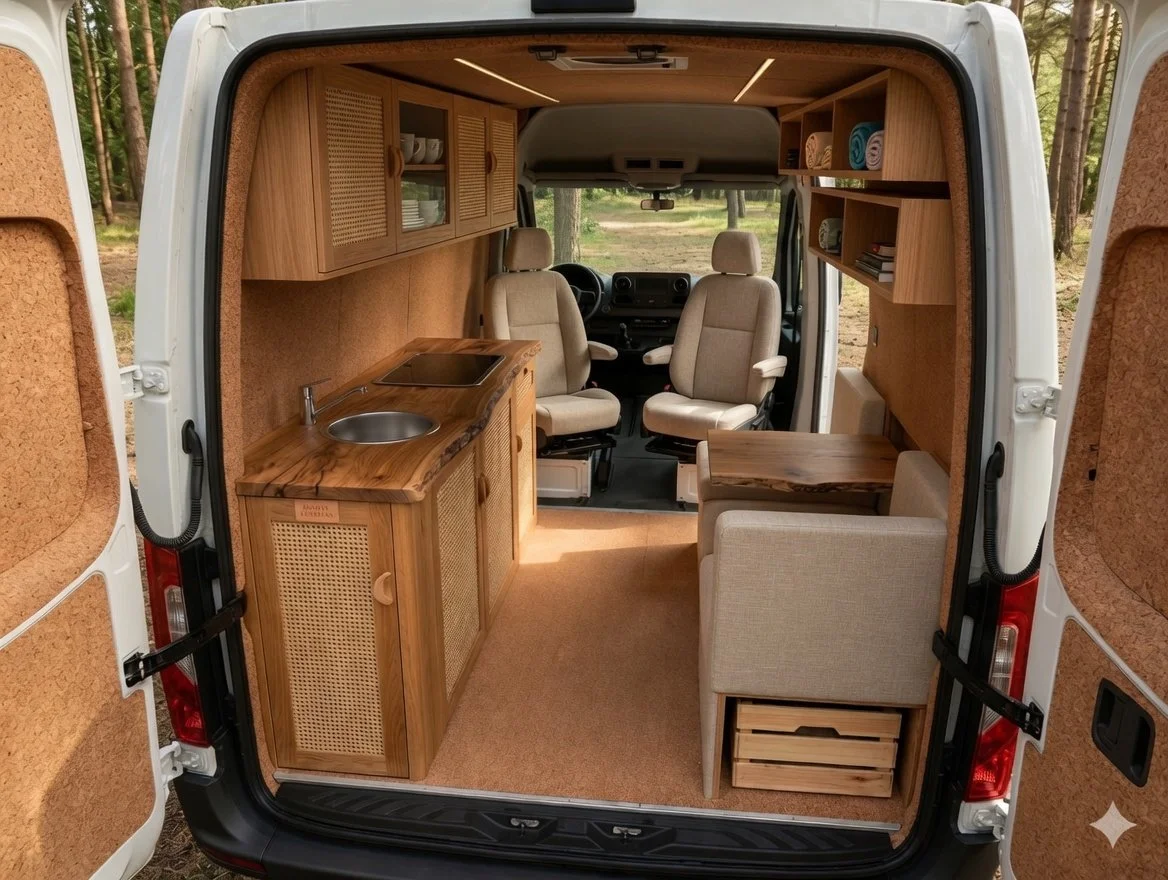
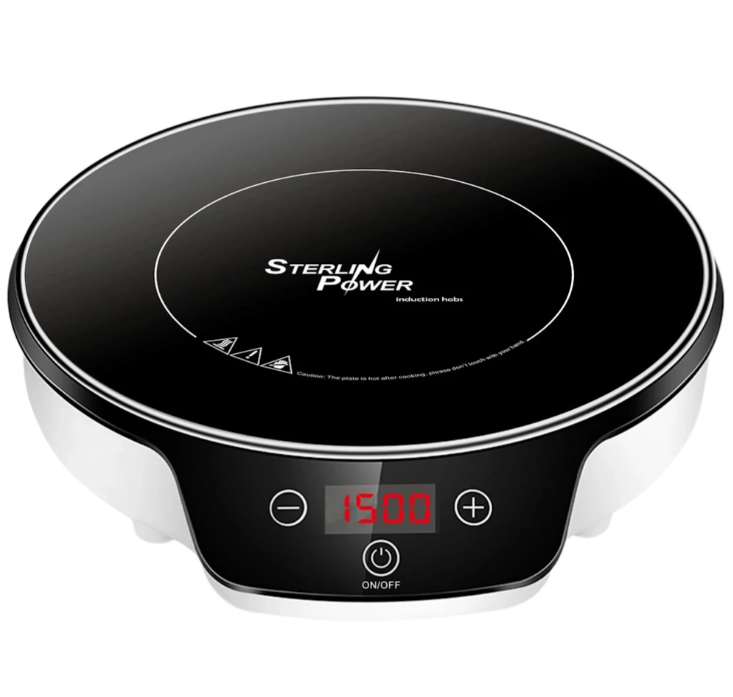
6. Induction Hob
Elimination of Fossil Fuels: By removing the need for propane or butane gas, induction hobs allow you to cook using only electricity. When this energy is sourced from solar panels or renewable grid connections, it enables truly zero-emission cooking.
High Energy Efficiency: Induction technology is approximately 85–90% efficient because it transfers electromagnetic energy directly into the cookware. This is significantly more efficient than gas (typically ~40%) or traditional electric elements, meaning you get more cooking power out of every watt stored in your battery bank.
Reduced Moisture and Improved Air Quality: Unlike gas burners, induction does not produce combustion by-products such as water vapor, carbon dioxide, nitrogen dioxide, or carbon monoxide. This helps prevent condensation issues in your van and ensures a healthier, non-polluted indoor environment.
Streamlined Construction: Going gas-free simplifies your van build by removing the need for gas-tight enclosures, ventilation requirements, and complex piping. This frees up valuable storage space and reduces the long-term maintenance associated with checking for gas leaks and system wear.
Future-Proofing: As regulations regarding gas installations become stricter and some locations begin to limit gas-carrying vehicles, electric induction setups provide a compliant, future-ready solution for your travels.